Retail Efficiency Tooling
Shop-floor barcode scanning and label printing.
Client
Home Bargains
Services
Overview
Shop-floor barcode scanning and label printing.
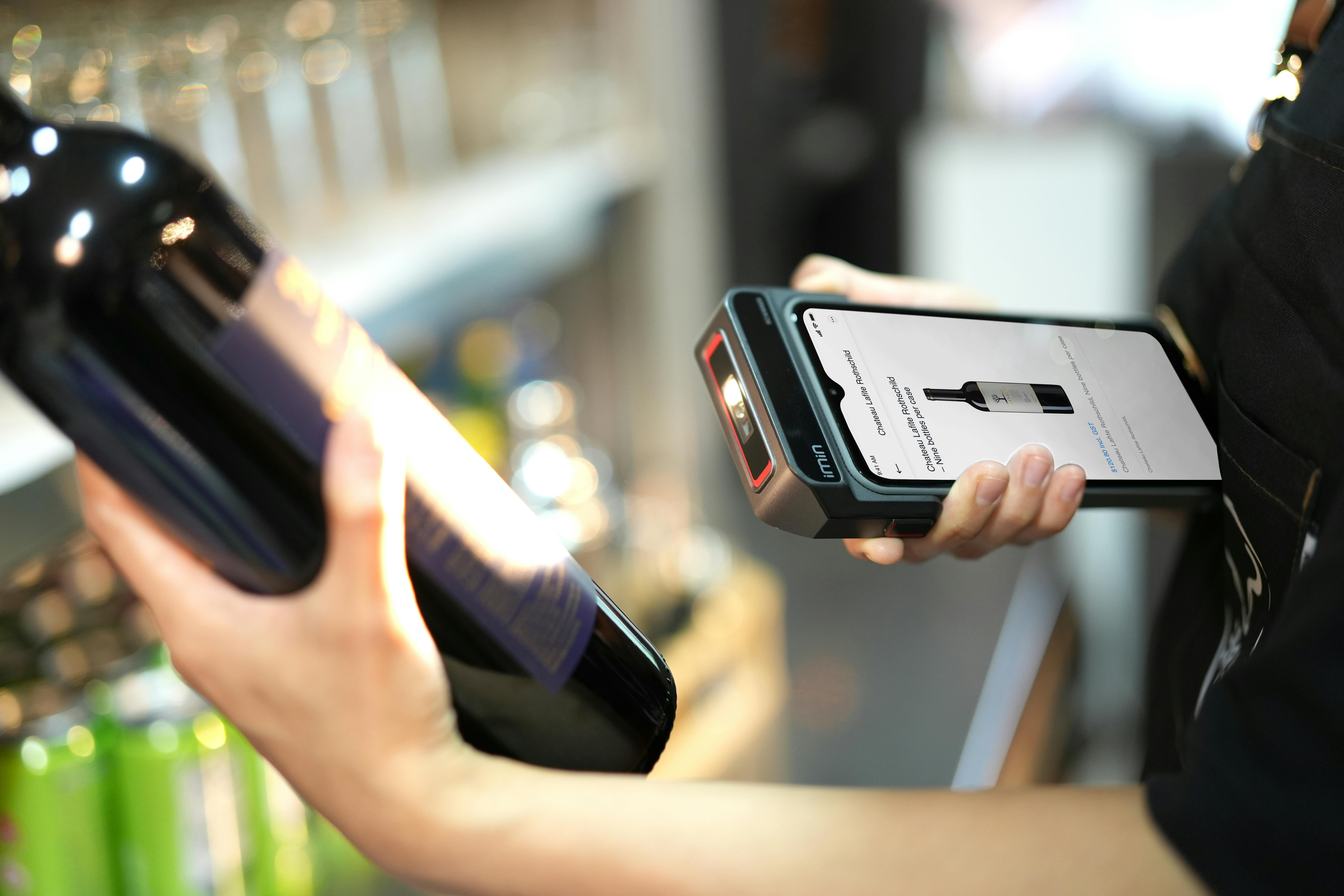
A handheld app that lets staff scan a product on the shop floor and print a new price label on the spot, saving around three days a month.
The Challenge
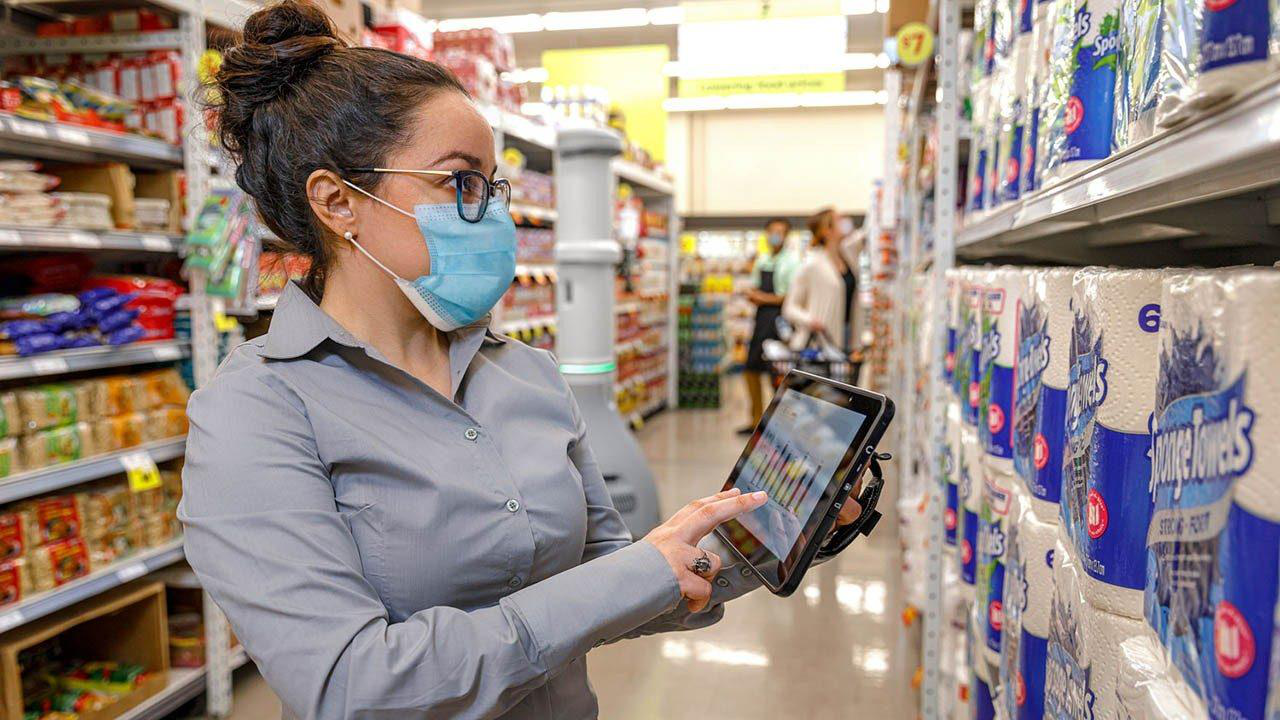
Home Bargains came to us with a simple problem that was quietly eating a huge amount of time on the shop floor. When a product price changed, the only way to get that information in front of customers was to take the item off the shelf, walk it to the back of the store, scan it, change the price and print a new barcode.
On a quiet day that might mean a handful of products. In practice, prices change in batches. Staff were collecting armfuls of stock, leaving gaps on the shop floor, and queuing at a back-of-house printer while customers were still shopping.
The process was not just slow. It pulled colleagues away from serving people, created a risk that labels would not match the shelf, and made a routine commercial task feel heavier than it needed to be. Home Bargains already understood the friction. They needed a way to do the same job without the walk.
Any solution had to work in a busy retail environment: reliable barcode scanning, a printer that could sit with the colleague, and an app simple enough to pick up without training manuals or extra hardware hanging off a trolley.
Our Solution
We designed a handheld app that lets colleagues scan a barcode on the shop floor and print the new price label there and then. The product stays on the shelf. The customer still sees the correct price. The colleague never has to disappear into the stock room for a label run.
The workflow is deliberately short. Scan the product, confirm the new price, print. There is no extra admin layer and no need to learn a warehouse system. It fits into the existing rhythm of the store rather than asking the store to change around the software.
By removing the round trip to the back of house, the team saved around three days of time every month. That time went back onto the shop floor, which is where it was needed.
The project is a good example of how a small, well-aimed piece of software can unlock a lot of operational time. We did not rebuild their retail stack. We took one painful, repeatable task and made it happen where the work actually is.
Gallery